
Spray Foam Insulation Across West New York's Cliff-Top and Riverfront Buildings
Dense Walk-Up Stock Atop the Palisades
Geography sets West New York apart from any other municipality in Hudson County. The township climbs from the Hudson River shoreline up the face of the Palisades to the bluff top along Boulevard East, which means the same one square mile parcel holds waterfront condo construction at sea level and pre-war brick walk-ups three hundred feet above it. Bergenline Avenue runs along the top of the bluff and carries the densest commercial and residential stock in the township: five story brick walk-ups, two and three family frame houses on the side streets, and the occasional pre-war row house tucked between commercial parcels. Detached single family homes are uncommon, and the envelope work follows that pattern. At the base of the cliff, the Port Imperial waterfront has produced mid-rise and high-rise condo construction since the late 1990s, much of which is now in the 15 to 25 year window where envelope deficiencies start showing up. Top floor cooling loads, party wall sound transfer between attached units, and garage level moisture intrusion all start surfacing in that age range. Owners and condo boards in this housing face a different scope conversation than the walk-up apartment owners three hundred feet up the cliff face, and the foam selection has to follow the building science of each assembly.
A Township That Climbs From the Hudson to the Bluff
Wind exposure along Boulevard East and the bluff top side streets pulls air out of unsealed envelopes faster than the same construction would lose it on a sheltered inland block. Original brick walk-ups built between 1900 and 1940 left band joists exposed in the basement, attic floor plates uninsulated, and chimney chases continuous to outside air, and the northwest wind off the Hudson amplifies every one of those leakage paths through November and February. Heating bills in cliff-top walk-ups consistently run higher than the building footprint would suggest, and the difference is air movement, not heating equipment capacity. Down at the waterfront, the conditions invert. Port Imperial and the Hudson shoreline carry constant river humidity, summer radiant load off the water, and a limited but real FEMA flood overlay that anchors basement and garage level assembly choices. Closed cell foam handles the moisture exposure at the waterfront, while open cell foam handles the party wall and unvented attic scopes on the bluff where vapor permeability is welcome. Owners in each half of the township face different envelope problems, and the spray foam scope has to reflect the assembly in front of it rather than a templated approach. Sequencing decisions also follow the geography, since waterfront condo board calendars run on a different rhythm than cliff top owner occupied house decisions made unit by unit.
Bergenline Walk-Up Rim Joist Work
Brick walk-up apartments stacked along Bergenline Avenue and the bluff top side streets carry rim joist conditions that look almost identical to Hoboken brownstone rim joists despite the different facade style. Pre-war construction between 1900 and 1940 left the band joist almost completely open to outside air, and cold winter wind off the Hudson amplifies stack effect through a five story building until the basement runs ten to fifteen degrees colder than it should. Heating bills in this housing reflect that air movement directly, and the rim joist is almost always the highest return cavity to seal first. Closed cell spray foam densifies the band joist cavity, fills every irregular gap a century old assembly produces, and adds structural lift to original sill plates that have settled over decades. A typical Bergenline walk-up rim joist project covers the basement perimeter in one to two working days depending on access and any prep needed for mechanical relocation. Tenant access to laundry rooms and mechanical spaces stays intact throughout install, and we file the NJ Clean Energy Program rebate paperwork as part of project close. The air sealing improvement shows up in heating bills by the first cold snap, and the work pairs efficiently with attic floor plate foam if budget allows both scopes in the same mobilization.
Boulevard East Pre-War Envelope Sealing
Pre-war two and three family frame houses and brick row houses along Boulevard East and the side streets feeding it carry envelope conditions that pre date modern air sealing entirely. Original construction left band joists exposed, attic floor plates uninsulated, plaster and lath party walls continuous to outside air at the eaves, and chimney chases open from basement to roof. Stack effect through a three story Boulevard East house runs harder than the same configuration on a sheltered inland street because northwest wind off the Hudson pulls warm air out of every unsealed path simultaneously. Closed cell foam in the rim joist and at the attic floor plate addresses the highest return air sealing problems first, and the work usually finishes in two to four working days depending on access and cavity count. Open cell foam between owner and tenant units cuts sound transfer and helps tenant retention in mixed occupancy houses, which compounds against turnover costs over time. We coordinate access with tenants days in advance, document every cavity for refinance and appraisal purposes, and sequence the scope to minimize disruption to occupied units. Heating bills drop noticeably in the first heating season after install, and the air sealing pays back faster in this exposure regime than in any inland equivalent.
Waterfront Condo Roof Deck and Party Wall Foam
Port Imperial waterfront condo construction has reached the 15 to 25 year age where envelope deficiencies surface in predictable patterns. Top floor units catch the full Hudson sun and produce summer cooling loads the original HVAC was not sized to handle once attic insulation settles or thins. Party walls between attached townhouse units transfer sound that buyers did not notice on a sunny weekend walkthrough. Garage level basements and ground floor parking podiums see seepage and condensation issues that compound as building seals age, and the limited FEMA flood overlay along the waterfront anchors any basement assembly choice to Technical Bulletin 2 compliance. Closed cell spray foam under the roof deck cuts top floor cooling loads by more than half in most buildings, and party wall foam between attached units handles the sound transfer that ranks second on most owners' priority list. Building wide condo board projects run as scheduled operations: board approval, common area protection, unit access windows confirmed days in advance, and reserve study ready documentation at close. We coordinate with property management to keep amenity space and parking podium access functional throughout install, and the documentation package supports both reserve study filings and any future flood insurance carrier inquiries.
Comprehensive Spray Foam Insulation Services in Hoboken
Tailored to Your Needs
Every Hoboken property has its own envelope story. Below are the ten spray foam insulation services we run across brownstones, condo buildings, mixed use construction, and flood zone basements throughout the Mile Square City and the surrounding Hudson County corridor.

FEMA approved closed cell foam for Hoboken brownstones, flood zone basements, and exterior masonry walls.
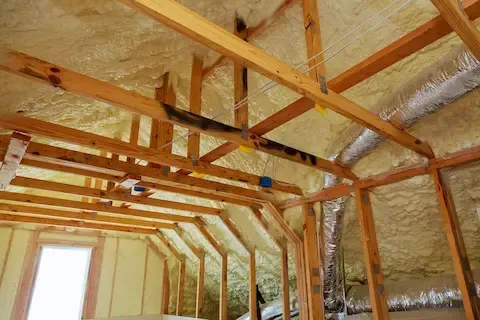
Open cell foam for Hoboken party walls, unvented attics, and condo soundproofing projects.
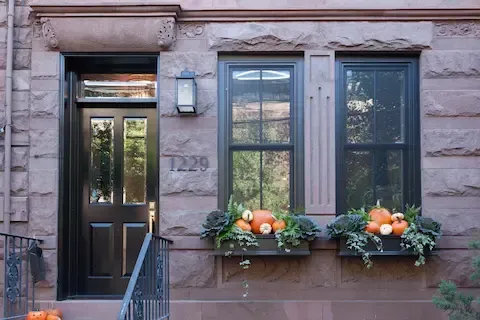
Whole brownstone envelope retrofits across Hoboken from rim joist to roof deck.
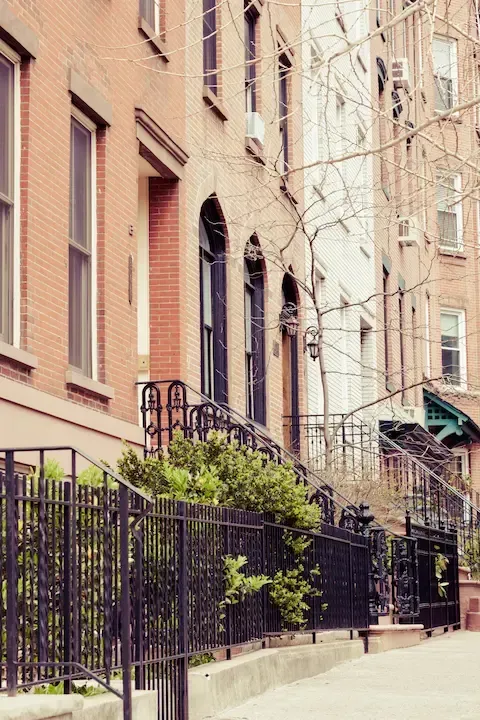
Coordinated spray foam projects for Hoboken condo associations and coop boards.
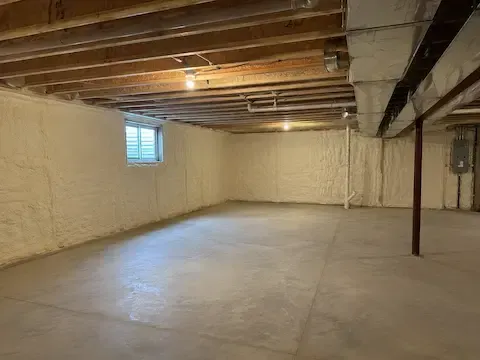
FEMA compliant closed cell basement encapsulation for Hoboken flood zone properties.

Roof deck and top floor ceiling spray foam projects across Hoboken brownstones.
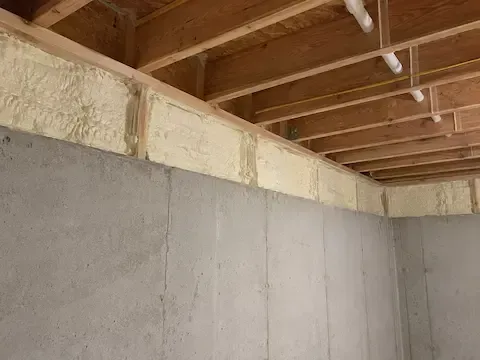
Closed cell rim joist sealing for pre 1900 Hoboken brownstone construction.
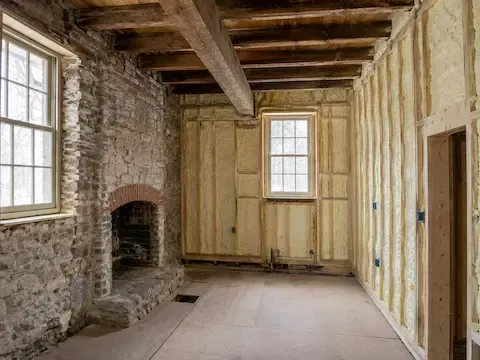
Historic district approved spray foam work for Hoboken's protected building stock.
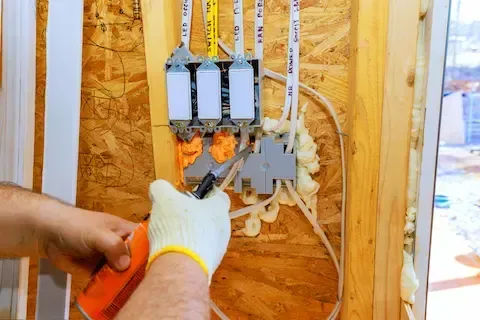
Commercial spray foam for Hoboken mixed use, retail, and small footprint commercial buildings.
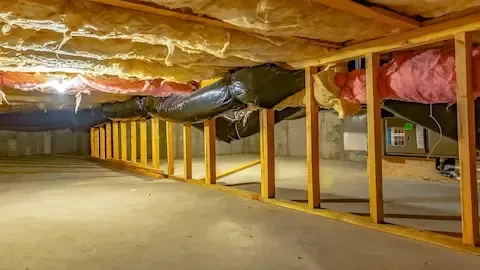
Closed cell crawl space encapsulation across Hoboken row houses and garden level voids.
Frequently Asked Questions
Spray Foam Insulation can be complex, and we’re here to provide answers to common questions. Here are some frequently asked questions from our clients.
Frequently Asked Questions about Spray Foam Insulation Hoboken
Does spray foam insulation work well in Hoboken brownstones?
Yes. Closed cell and open cell foam both fit Hoboken brownstone work, but the choice depends on the assembly. Rim joists, exterior masonry walls, and flood zone basements take closed cell. Party walls and unvented attics often work better with open cell. We walk the building with you before recommending a system.
How does Hoboken's historic district affect a spray foam project?
Most spray foam work happens inside the wall cavity and never touches the protected exterior facade, so historic district review is usually straightforward. Anything visible from the street, including new vents or any envelope alteration that changes the masonry, requires Hoboken Historic Preservation Commission review. We handle that paperwork.
Can spray foam help with Hoboken flood zone basements?
Closed cell spray foam is recognized by FEMA Technical Bulletin 2 as flood damage resistant material. In Hoboken's AE and VE zones we use closed cell foam in basement assemblies above and below the design flood elevation, paired with insurance ready documentation showing compliance.
What rebates are available for spray foam in Hoboken?
The NJ Clean Energy Program, PSEG Hudson County envelope rebates, the federal 25C tax credit, and the HOMES and HEAR rebate programs can all apply to a Hoboken spray foam project. We prepare the paperwork so the rebate stack actually reaches the owner instead of getting lost in filing.
Do you work with condo associations and coop boards in Hoboken?
Yes. Building wide condo and coop projects are a significant share of our work. We attend board meetings, coordinate unit access with multiple owners, protect common areas during install, and provide the documentation packages boards need for their records and reserve studies.
How long does a typical Hoboken spray foam project take?
A single brownstone basement or rim joist scope usually finishes in one to two days. A full brownstone envelope retrofit covering rim joist, party walls, and top floor ceiling runs three to five days. Building wide condo projects depend on unit count and access scheduling, typically two to four weeks.
Need Spray Foam Insulation?
What Our Satisfied Clients Have to Say About Hoboken Spray Foam Insulation
We pride ourselves on delivering great results and experiences for each client. Hear directly from home and business owners who’ve trusted us with their Spray Foam Insulation needs.

We hired for the rim joist and basement in our 1890s brownstone off Hudson Street. The crew handled the historic district paperwork and finished closed cell work in two days. Heating bills dropped that first winter and the basement finally stays dry through nor'easter season. Honest pricing and a clean job site every day.
Marisol K., Hoboken NJ
Our condo board approved for a building wide top floor ceiling project after they walked the board through every step. They coordinated unit access with eleven owners, finished on schedule, and the third floor units no longer cook in summer. The Climate Action rebate paperwork they prepared was flawless.
David R., Hoboken Condo Board President
After Sandy we rebuilt the basement of our row house in the AE flood zone and needed closed cell foam that meets FEMA flood damage resistant standards. explained Technical Bulletin 2, handled the spec, and got it done. Five years later the assembly still performs and our insurer was satisfied with the documentation.
Priya S., Hoboken Brownstone Owner
The Trusted Spray Foam Insulation Expert Near You
Ready to hear more about expert services at Hoboken Spray Foam Insulation?
Contact us today to receive a detailed, no-obligation quote.
Mon-Fri, 8am-5pm
Quick Links