
Sealing Jersey City Brownstones, Condo Towers, and Riverfront Properties
A Housing Stock Unlike Any Other in the County
Few cities pack more building variety into a few square miles than Jersey City. The Historic Downtown blocks around Paulus Hook, Hamilton Park, and Van Vorst Park hold pre-1900 brownstone row houses with shared chimneys, party walls, and rim joists that have leaked air since the Cleveland administration. A few blocks east, the Newport and Exchange Place corridors stack mid-rise and high-rise condo towers built between 1995 and 2015, each with its own envelope quirks and association coordination demands. The Heights and Journal Square neighborhoods add a third layer: two- and three-family walk-ups, frame houses from the 1920s, and a steady flow of brick rowhouses receiving partial gut renovations. Every one of those housing types asks for a different spray foam scope. Brownstone rim joists need closed cell foam densified into the band joist cavity. Newport condo top floor units need roof deck assemblies that cut radiant gain off the Hudson sun. Heights walk-ups benefit from party wall open cell foam that quiets adjoining units without trapping moisture. Generic insulation contractors who templated a suburban scope across this city run into problems by week one. The most common failure mode is foam expansion pressure mismanaged in an 1880s plaster and lath assembly, which damages the original interior finishes the foam was supposed to leave intact, and the second is closed cell foam misapplied to a masonry wall that needed to dry inward instead of outward.
Why Envelope Work Here Demands a Custom Scope
Hudson River exposure shapes the rest of the picture. Properties from Liberty State Park north through Paulus Hook and up into Newport sit inside FEMA AE flood zones, which means basement assemblies have to use FEMA Technical Bulletin 2 compliant materials. Closed cell spray foam is recognized under that bulletin as flood damage resistant, but the assembly details matter and inspectors look for them. Owners who skipped the spec on a post-Sandy rebuild learned that the hard way when carriers asked for documentation that did not exist. Beyond the flood maps, the city carries pockets of historic district overlay where the Jersey City Historic Preservation Commission reviews exterior envelope changes. The good news is that most spray foam work happens inside the cavity and never touches a protected facade, but anyone advertising a one size fits all quote in this market is missing the regulatory texture. Owners here need a contractor who has walked a Paulus Hook flood zone basement on Monday, a Newport condo board meeting on Tuesday, and a Heights three family rim joist on Wednesday. That mix is what separates a working Jersey City scope from a templated one. Each cavity also has its own NJ Clean Energy Program rebate filing path, and the paperwork captures real money when filed correctly during a single mobilization rather than reassembled retroactively after the fact.
Brownstone Retrofit Packages
A complete brownstone retrofit in the Historic Downtown blocks of Jersey City is rarely a single foam visit. The rim joist, the party walls, the top floor ceiling, and the garden level basement all play different roles in the envelope, and each cavity calls for its own foam type and density. Closed cell goes into the rim joist where structural lift and air sealing both matter. Open cell fills the party wall between adjoining units, quieting the assembly without trapping moisture against the original plaster. The top floor ceiling gets a hybrid approach depending on whether the attic is staying vented or converting to conditioned space. Pre 1900 Jersey City row houses also share the building science quirks of pre 1900 Hoboken: original sill plates that have settled an inch or two, masonry walls that need to dry inward, and lath construction that does not tolerate overpressure during install. We control foam expansion accordingly, document every cavity with photographs, and sequence the work so the highest return scopes hit first. Rim joist always leads, top floor ceiling usually closes, and party walls fit between depending on access. Whole envelope retrofits also stack the NJ Clean Energy Program rebate paperwork most efficiently because a single mobilization captures every available envelope incentive.
Condo Tower Envelope Work
Newport, Exchange Place, and the broader Jersey City waterfront have produced thousands of condo units across mid-rise and high-rise towers, and the envelope concerns there bear no resemblance to the brownstone playbook. Top floor units take the full Hudson sun load through unconditioned attic and roof deck assemblies that builders rushed during the 1995 to 2010 construction boom. Corner units lose comfort through unsealed party walls between residential and elevator shaft cavities. Mid floor units inherit air leakage paths that ride elevator shafts and mechanical chases from basement to roof. Spray foam work in these buildings happens through condo board approval, which means we walk the board through every step before mobilization. Common area protection is non negotiable, unit access windows get scheduled days in advance, and the documentation package at project close has to be reserve study ready. Closed cell foam typically handles roof deck and party wall to shaft scopes, while open cell handles interior unit work where vapor permeability is the right characteristic. Building wide projects often run two to four weeks depending on unit count, and we coordinate with property management to keep elevator and lobby traffic intact throughout the install window. The documentation package at close covers material specs, R values achieved, warranty terms, and rebate filings so the board carries a defensible record into reserve study cycles and future refinance reviews.
Flood Zone Basement Assemblies
The strip from Liberty State Park north through Paulus Hook and Newport sits squarely inside FEMA AE flood zones, and basement assemblies in that strip are governed by Technical Bulletin 2. Closed cell spray foam is one of the few insulation materials recognized under that bulletin as flood damage resistant, which is why we use it as the foundation system for every Jersey City flood zone basement we touch. The assembly details matter: vapor barrier continuity, foam thickness above and below the design flood elevation, and integration with sump and drainage systems all factor into a compliant install. Documentation is the other half of the work. Insurance carriers and city flood plain reviewers want to see specific material data sheets, installation records, and elevation references in the project file. Owners who tried to assemble that paperwork after a claim event have learned that the time to compile it is during install, not three years later when a carrier asks. We deliver the package at project close so the basement assembly is defensible from day one. Closed cell foam is also the right tool for any basement subject to lateral moisture from the Hudson and Hackensack water tables, which extends well past the official flood map boundaries in this market.
Comprehensive Spray Foam Insulation Services in Hoboken
Tailored to Your Needs
Every Hoboken property has its own envelope story. Below are the ten spray foam insulation services we run across brownstones, condo buildings, mixed use construction, and flood zone basements throughout the Mile Square City and the surrounding Hudson County corridor.

FEMA approved closed cell foam for Hoboken brownstones, flood zone basements, and exterior masonry walls.
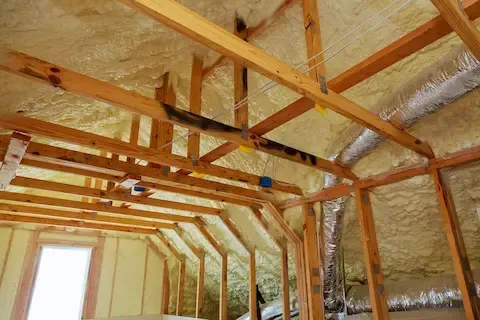
Open cell foam for Hoboken party walls, unvented attics, and condo soundproofing projects.
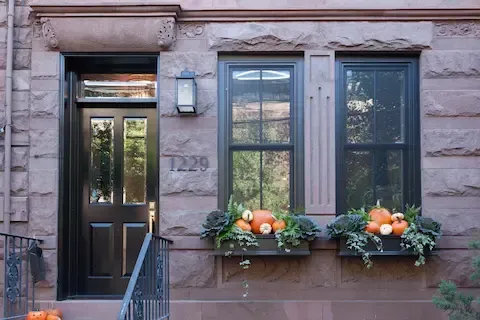
Whole brownstone envelope retrofits across Hoboken from rim joist to roof deck.

Coordinated spray foam projects for Hoboken condo associations and coop boards.
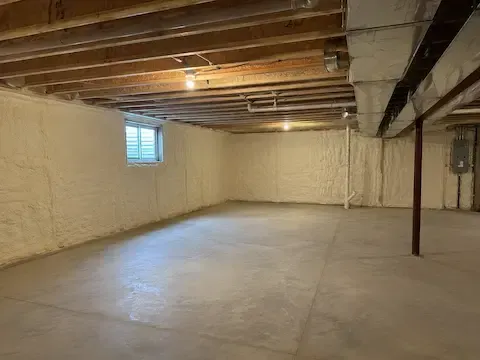
FEMA compliant closed cell basement encapsulation for Hoboken flood zone properties.

Roof deck and top floor ceiling spray foam projects across Hoboken brownstones.
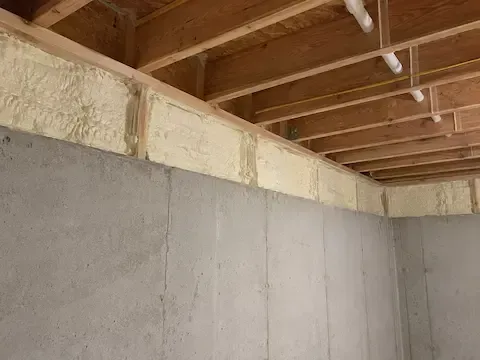
Closed cell rim joist sealing for pre 1900 Hoboken brownstone construction.
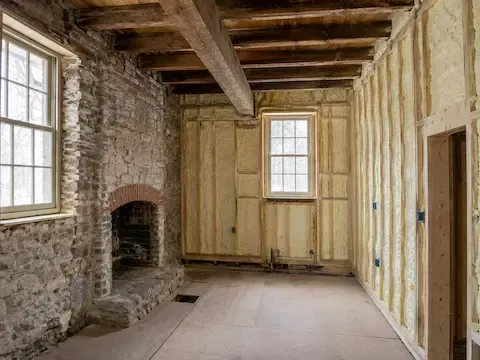
Historic district approved spray foam work for Hoboken's protected building stock.
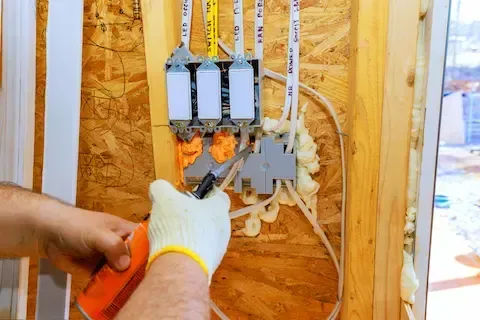
Commercial spray foam for Hoboken mixed use, retail, and small footprint commercial buildings.
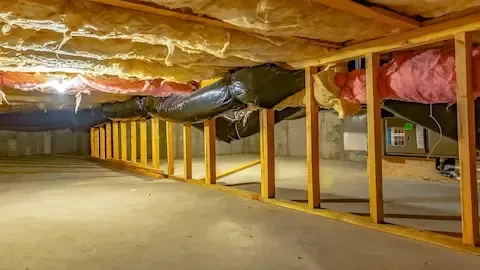
Closed cell crawl space encapsulation across Hoboken row houses and garden level voids.
Frequently Asked Questions
Spray Foam Insulation can be complex, and we’re here to provide answers to common questions. Here are some frequently asked questions from our clients.
Frequently Asked Questions about Spray Foam Insulation Hoboken
Does spray foam insulation work well in Hoboken brownstones?
Yes. Closed cell and open cell foam both fit Hoboken brownstone work, but the choice depends on the assembly. Rim joists, exterior masonry walls, and flood zone basements take closed cell. Party walls and unvented attics often work better with open cell. We walk the building with you before recommending a system.
How does Hoboken's historic district affect a spray foam project?
Most spray foam work happens inside the wall cavity and never touches the protected exterior facade, so historic district review is usually straightforward. Anything visible from the street, including new vents or any envelope alteration that changes the masonry, requires Hoboken Historic Preservation Commission review. We handle that paperwork.
Can spray foam help with Hoboken flood zone basements?
Closed cell spray foam is recognized by FEMA Technical Bulletin 2 as flood damage resistant material. In Hoboken's AE and VE zones we use closed cell foam in basement assemblies above and below the design flood elevation, paired with insurance ready documentation showing compliance.
What rebates are available for spray foam in Hoboken?
The NJ Clean Energy Program, PSEG Hudson County envelope rebates, the federal 25C tax credit, and the HOMES and HEAR rebate programs can all apply to a Hoboken spray foam project. We prepare the paperwork so the rebate stack actually reaches the owner instead of getting lost in filing.
Do you work with condo associations and coop boards in Hoboken?
Yes. Building wide condo and coop projects are a significant share of our work. We attend board meetings, coordinate unit access with multiple owners, protect common areas during install, and provide the documentation packages boards need for their records and reserve studies.
How long does a typical Hoboken spray foam project take?
A single brownstone basement or rim joist scope usually finishes in one to two days. A full brownstone envelope retrofit covering rim joist, party walls, and top floor ceiling runs three to five days. Building wide condo projects depend on unit count and access scheduling, typically two to four weeks.
Need Spray Foam Insulation?
What Our Satisfied Clients Have to Say About Hoboken Spray Foam Insulation
We pride ourselves on delivering great results and experiences for each client. Hear directly from home and business owners who’ve trusted us with their Spray Foam Insulation needs.

We hired for the rim joist and basement in our 1890s brownstone off Hudson Street. The crew handled the historic district paperwork and finished closed cell work in two days. Heating bills dropped that first winter and the basement finally stays dry through nor'easter season. Honest pricing and a clean job site every day.
Marisol K., Hoboken NJ
Our condo board approved for a building wide top floor ceiling project after they walked the board through every step. They coordinated unit access with eleven owners, finished on schedule, and the third floor units no longer cook in summer. The Climate Action rebate paperwork they prepared was flawless.
David R., Hoboken Condo Board President
After Sandy we rebuilt the basement of our row house in the AE flood zone and needed closed cell foam that meets FEMA flood damage resistant standards. explained Technical Bulletin 2, handled the spec, and got it done. Five years later the assembly still performs and our insurer was satisfied with the documentation.
Priya S., Hoboken Brownstone Owner
The Trusted Spray Foam Insulation Expert Near You
Ready to hear more about expert services at Hoboken Spray Foam Insulation?
Contact us today to receive a detailed, no-obligation quote.
Mon-Fri, 8am-5pm
Quick Links